


ABHA Health ID is becoming an important part of India's growing digital healthcare system. The Ayushman Bharat Health Account (ABHA) provides individuals with a unique 14-digit digital health identity that can help connect medical records across participating hospitals, laboratories, clinics and healthcare providers.
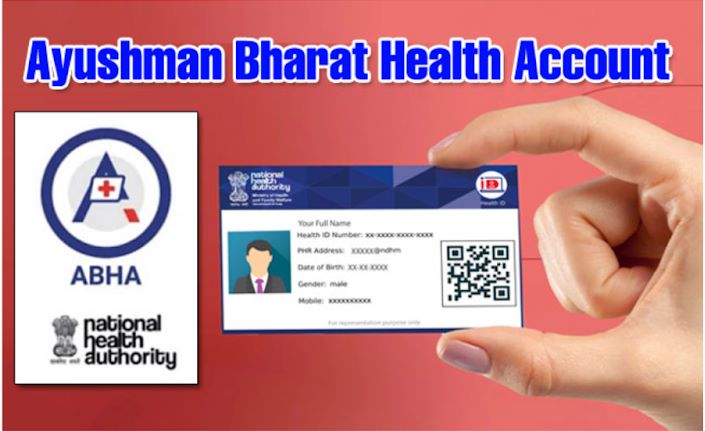
From prescriptions and laboratory reports to discharge summaries, the system aims to make health information easier to manage while allowing users to control who can access their records.
Important: ABHA is not health insurance. It does not automatically provide free treatment, cashless hospitalization or eligibility under government health schemes.
Table of Contents
- What Is ABHA Health ID?
- ABHA vs Ayushman Card
- How to Create ABHA Health ID
- What Is an ABHA Address?
- How to Link Medical Records
- How ABHA Consent Works
- Benefits of ABHA
- Limitations of ABHA
- Frequently Asked Questions
What Is an ABHA Health ID?
ABHA stands for Ayushman Bharat Health Account. It is part of India's digital healthcare ecosystem under the Ayushman Bharat Digital Mission (ABDM).
An ABHA account provides:
- A unique 14-digit ABHA number
- A digital health identity
- An ABHA Address
- The ability to link health records from participating healthcare providers
- Consent-based sharing of health information
- Access to linked prescriptions, reports and other digital records
The primary objective is to make healthcare information easier to access and reduce the need to carry large collections of physical medical documents.
ABHA Health ID at a Glance
| Feature | ABHA Health Account |
|---|---|
| Identification | 14-digit unique health number |
| Purpose | Digital health identity and health records |
| Health Insurance | No |
| Free Treatment | No |
| Mandatory | No |
| Record Sharing | Consent-based |
ABHA vs Ayushman Card: What Is the Difference?
Many people confuse the ABHA Health ID with the Ayushman Bharat PM-JAY Card. However, both serve different purposes.
ABHA Health ID
ABHA is mainly used for:
- Digital health identification
- Linking health records
- Managing consent
- Sharing medical information with participating healthcare providers
Ayushman Bharat PM-JAY Card
The PM-JAY card is related to a government healthcare coverage scheme for eligible beneficiaries.
Simple Difference:
ABHA = Digital Health Identity and Records
PM-JAY = Healthcare Coverage for Eligible Beneficiaries
Having an ABHA number does not automatically mean that you are eligible for free treatment under PM-JAY.
How to Create an ABHA Health ID in 2026
The most common method for creating an ABHA account is Aadhaar-based verification.
Step 1: Visit the Official ABHA Platform
Open the official platform of the Ayushman Bharat Digital Mission.
Official Portal: ABDM – Ayushman Bharat Digital Mission
Step 2: Select Aadhaar Verification
Choose the option to create your ABHA account using Aadhaar.
Step 3: Enter Aadhaar Details
Enter the required Aadhaar information.
Step 4: Verify OTP
An OTP will be sent to the mobile number associated with your Aadhaar.
Step 5: Confirm Your Details
Verify your demographic information carefully.
Step 6: Add a Communication Mobile Number
You may be asked to provide a mobile number for communication and verification.
Step 7: Choose Your ABHA Address
Create an easy-to-share ABHA Address associated with your digital health account.
Step 8: Save Your ABHA Number
Once registration is completed successfully, your unique 14-digit ABHA number will be generated.
What Is an ABHA Address?
Your ABHA number and ABHA Address are different.
The ABHA number is your unique 14-digit digital health identification number.
The ABHA Address is a more readable digital identifier that can be used within the healthcare ecosystem.
It works similarly to a digital handle.
Example: yourname@abdm
The exact format may vary depending on the platform and available services.
How to Link Medical Records With ABHA
Creating an ABHA account does not automatically upload your complete medical history.
Medical records may be linked through participating hospitals, clinics, laboratories and healthcare providers.
Typical Record Linking Process
- Visit a participating healthcare facility.
- Provide your ABHA number or ABHA Address.
- The healthcare provider identifies or links your patient record.
- A prescription, laboratory report or discharge summary is generated.
- You may receive a request to link the record.
- Approve the request if appropriate.
- The linked record can become accessible through the connected health ecosystem.
Will Old Medical Records Automatically Appear?
No.
Medical records created before your ABHA registration generally do not automatically appear in your account.
Healthcare providers must support compatible digital systems for records to be linked.
You should continue storing important medical documents safely. Services such as DigiLocker may also help users organize supported digital documents.
How Does ABHA Consent Work?
A major feature of the digital health ecosystem is consent-based data sharing.
A healthcare provider should not automatically receive unrestricted access to all your linked health records.
When access to health information is requested, the system can provide a consent request containing details such as:
- Which records are being requested
- Who is requesting access
- The purpose of the request
- The duration of access
Users can approve or reject the request based on their preferences.
Privacy Tips for ABHA Users
- Never share OTPs with unknown individuals.
- Do not approve suspicious consent requests.
- Use a strong screen lock on your smartphone.
- Avoid logging into accounts on public devices.
- Check account activity when available.
- Beware of phishing websites and fake registration messages.
Benefits of Creating an ABHA Health Account
1. Easier Access to Health Records
Users may be able to access linked digital health records without carrying large collections of physical documents.
2. Reduced Paperwork
Digital systems can potentially reduce repetitive paperwork at participating healthcare facilities.
3. Better Continuity of Care
With appropriate consent, relevant medical information can potentially be shared between healthcare providers.
4. User-Controlled Data Sharing
Users can approve or reject requests for access to linked health information.
5. Growing Digital Healthcare Ecosystem
As more healthcare providers adopt ABDM-compatible systems, the usefulness of ABHA may continue to increase.
Limitations of ABHA Health ID
Not Every Hospital Is Connected
Healthcare digitization is expanding, but not every hospital or clinic currently supports ABHA-based record linking.
Your Complete Medical History Will Not Appear Automatically
Old records generally need to be manually maintained or linked through supported healthcare providers.
ABHA Is Not Health Insurance
It does not guarantee free treatment, hospitalization benefits or financial assistance.
Digital Security Still Matters
Users should remain cautious about phishing, OTP fraud and suspicious consent requests.
Frequently Asked Questions
Is ABHA Health ID free?
Creating an ABHA account is generally offered as a free digital health service.
Is ABHA the same as an Ayushman Card?
No. ABHA is primarily a digital health identity and records system, while PM-JAY is a healthcare coverage scheme for eligible beneficiaries.
Is ABHA mandatory?
No. Participation in the ABHA ecosystem is voluntary.
How many digits are in an ABHA number?
An ABHA number consists of 14 digits.
Can I link medical reports with ABHA?
Yes. Medical records may be linked through participating healthcare providers and compatible digital health services.
Can a doctor see all my medical records?
Access to linked records is designed around consent-based information sharing.
Do old medical records automatically get added?
No. Historical medical records generally do not automatically appear in your ABHA account.
Is Aadhaar required for ABHA registration?
Aadhaar is commonly used for registration, while alternative identity verification options may also be available depending on the current system.
The Future of Digital Healthcare in India
The ABHA system represents an important step toward connected digital healthcare infrastructure in India.
In the future, patients may increasingly encounter:
- Digital hospital registration
- Electronic prescriptions
- Digital laboratory reports
- Telemedicine integration
- Consent-based health information sharing
- Connected healthcare services
The long-term success of digital healthcare will depend on stronger privacy protections, cybersecurity, healthcare provider participation and public awareness.
Final Verdict
The ABHA Health ID is an important part of India's digital healthcare infrastructure.
It is not an insurance card and does not guarantee free treatment. Instead, it provides a 14-digit digital health identity that can help users manage and share health records through participating healthcare providers.
ABHA can be particularly useful for people who visit multiple hospitals, undergo frequent diagnostic tests or want a more organized way to manage their digital health documents.
The key is to use the system with informed consent, realistic expectations and proper attention to privacy and digital security.
For the latest information and official services, visit:
0 comments:
Post a Comment